
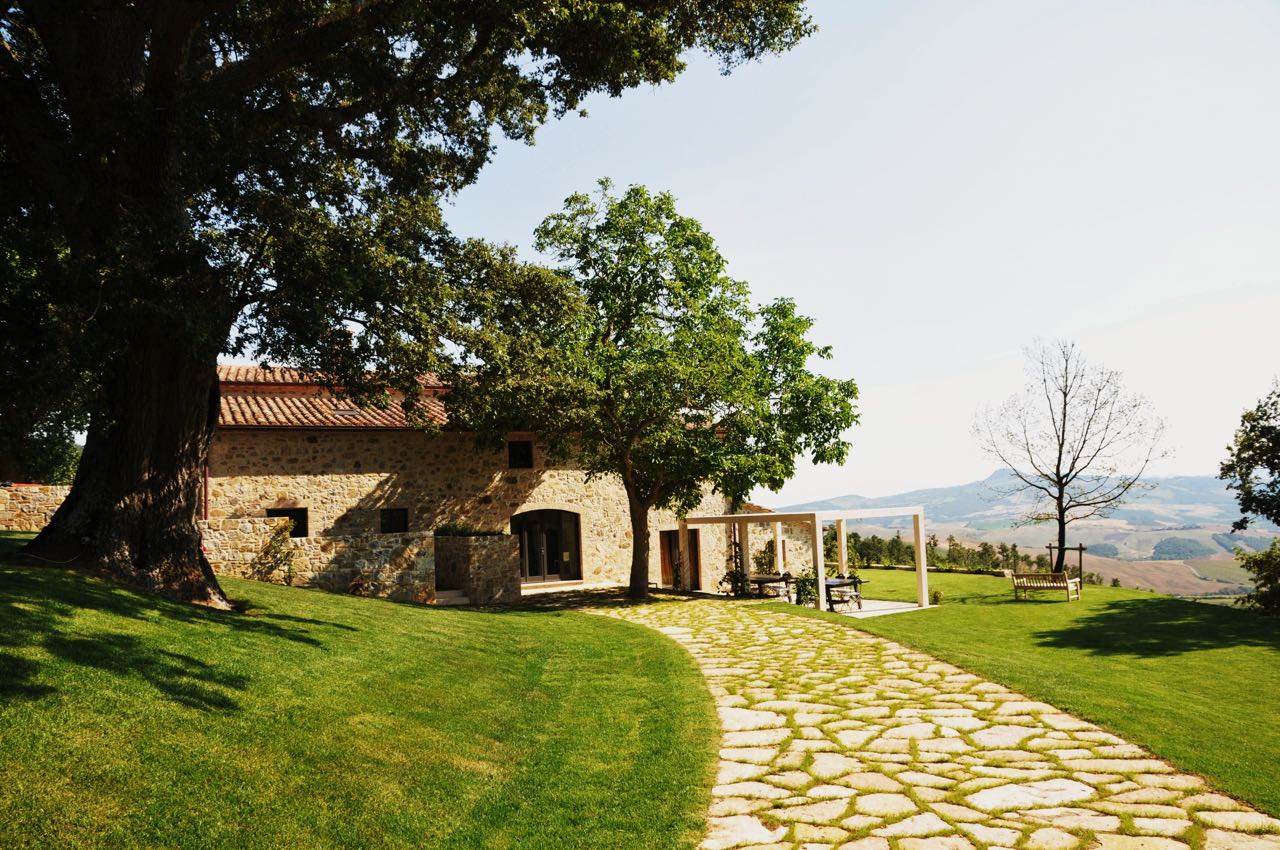



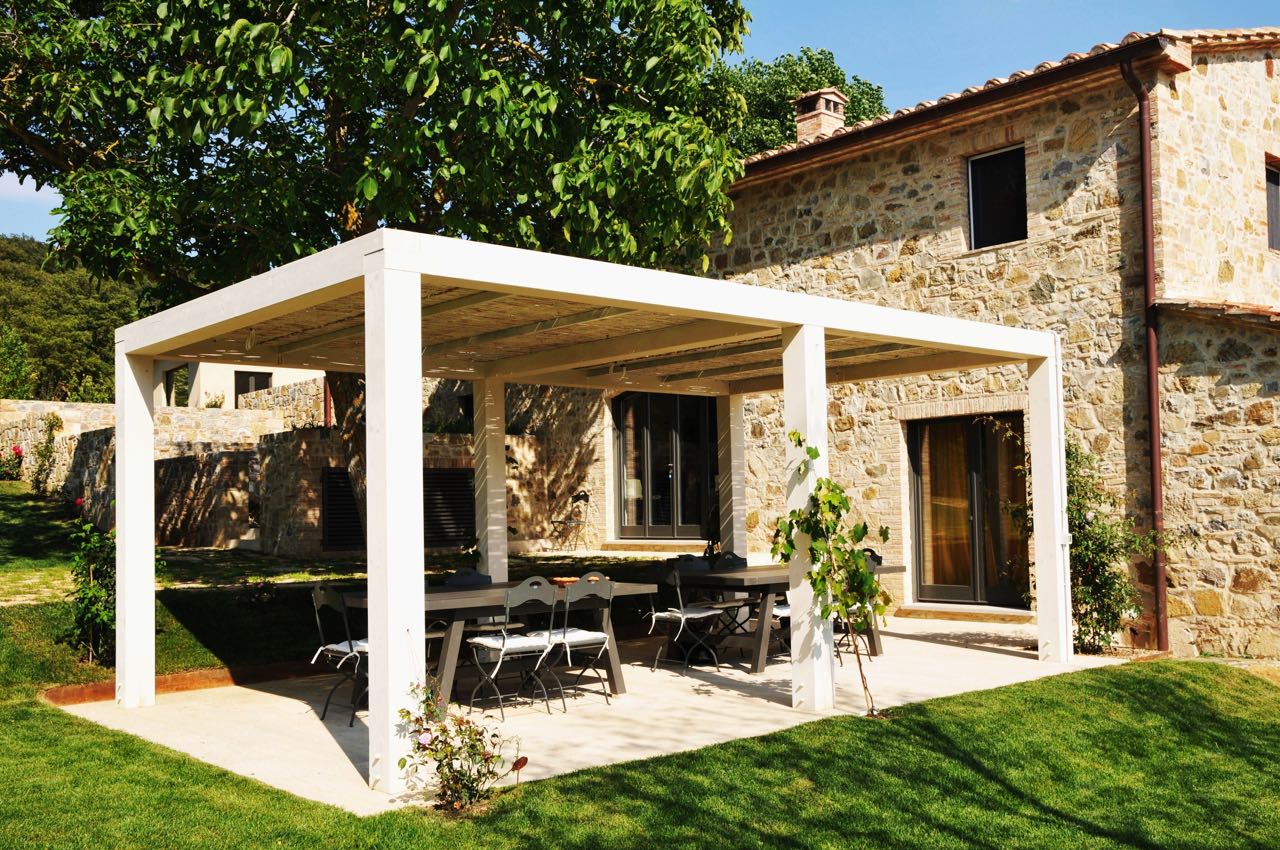
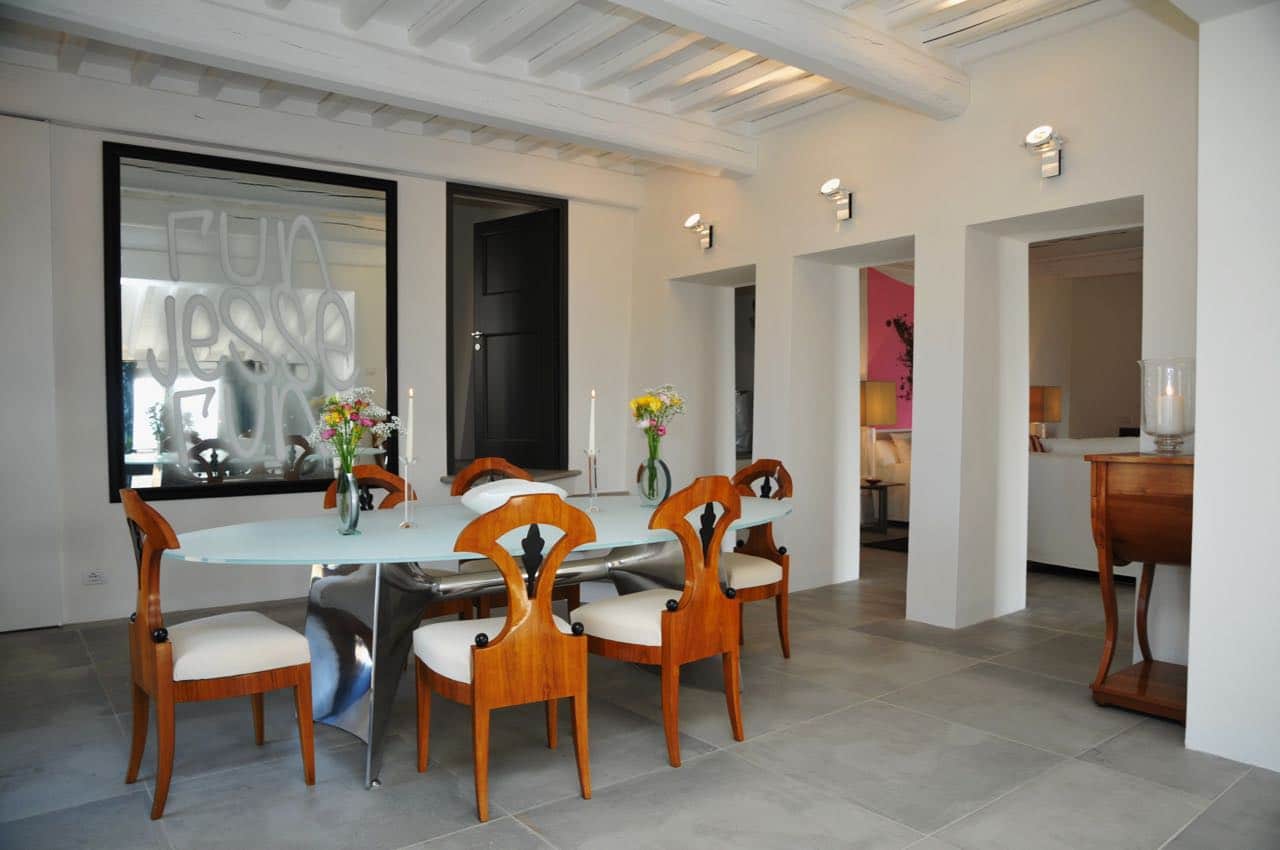


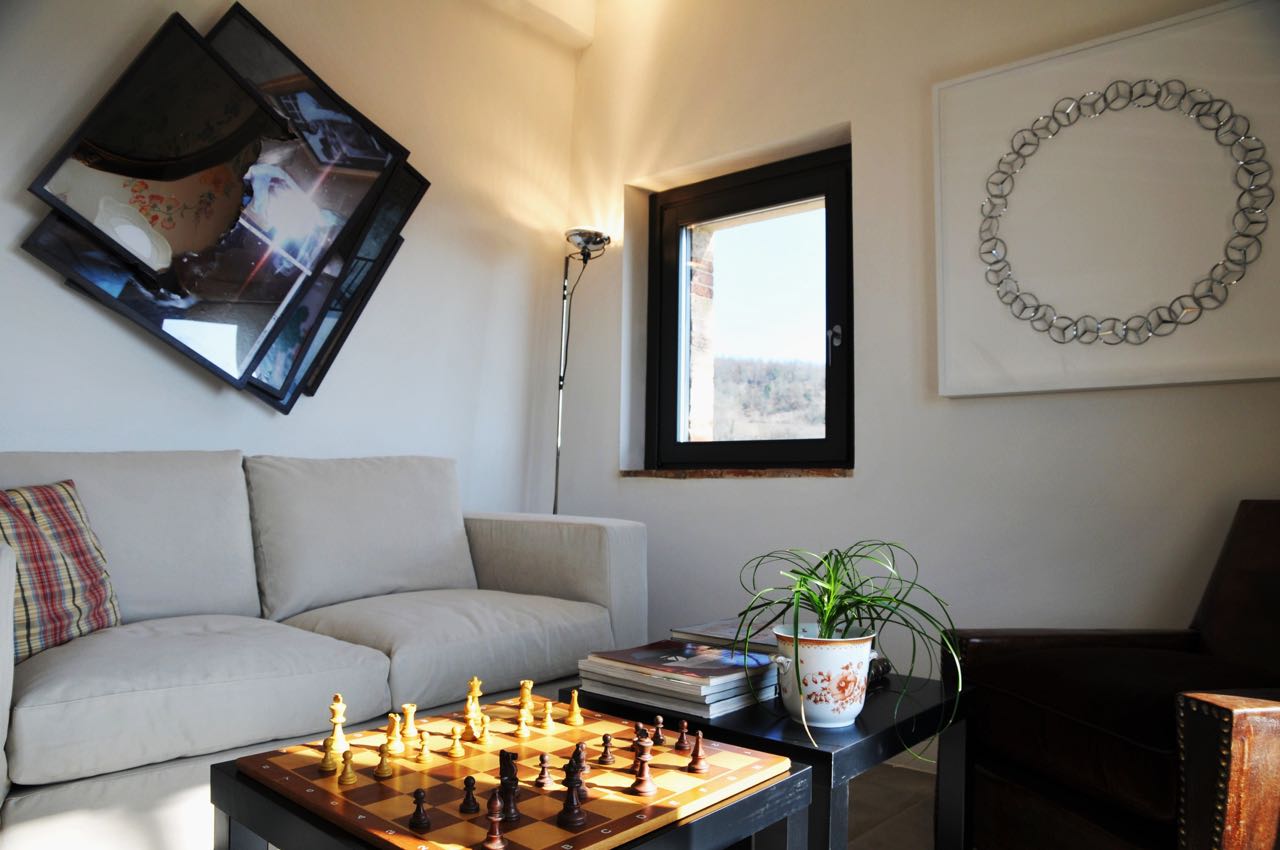
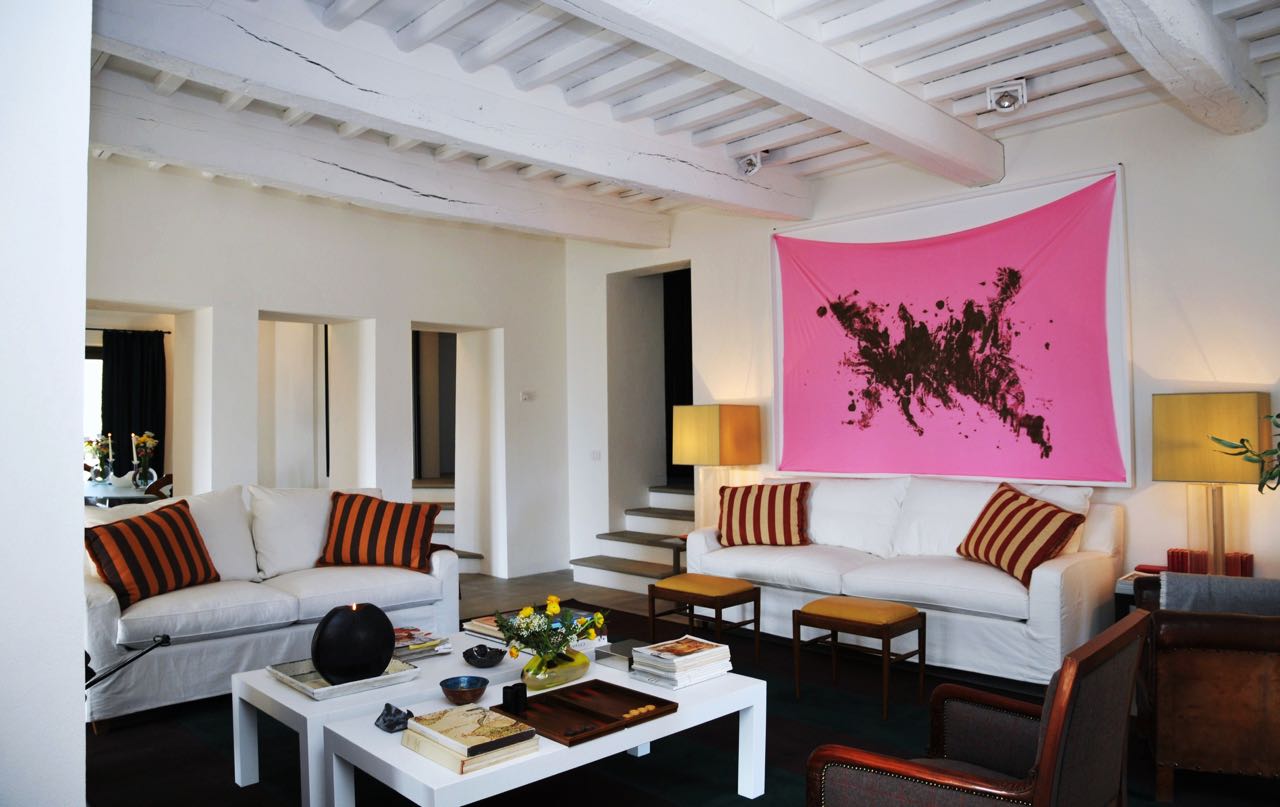
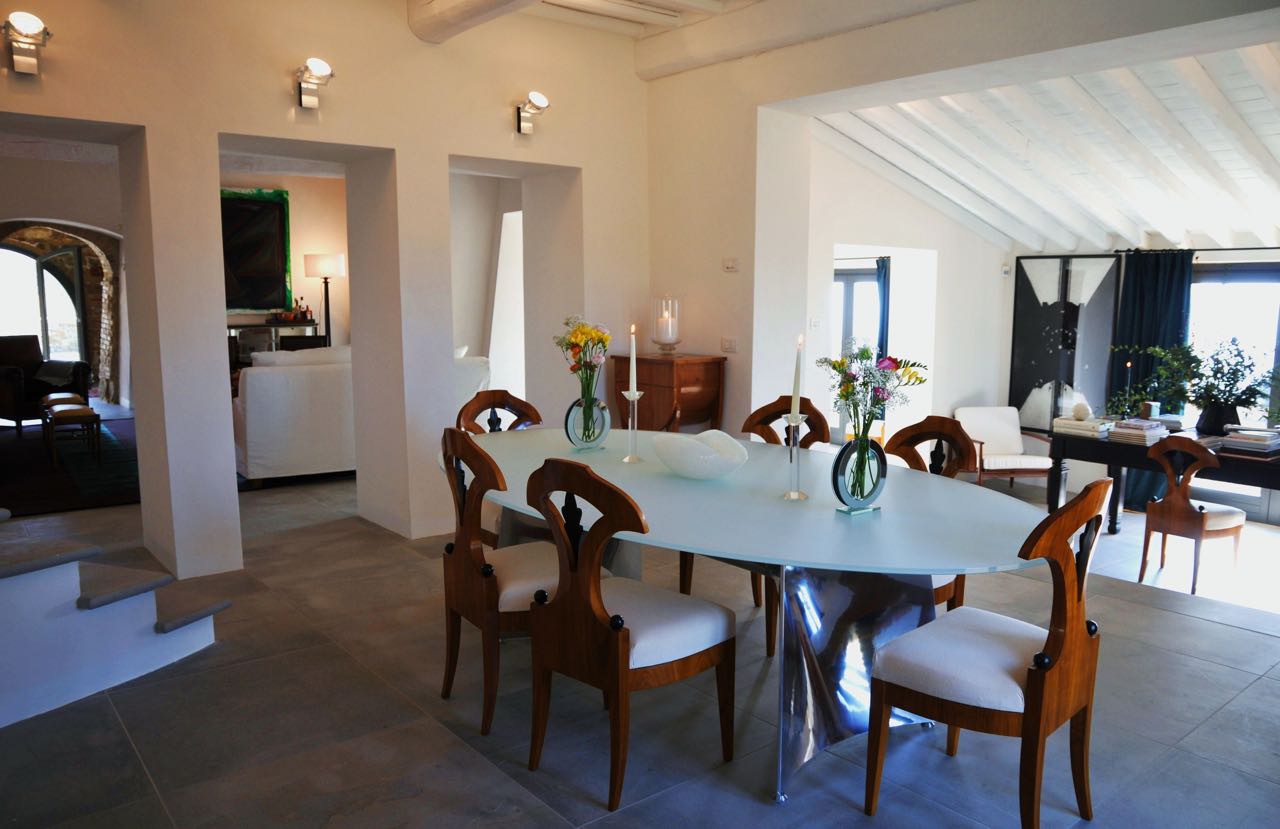
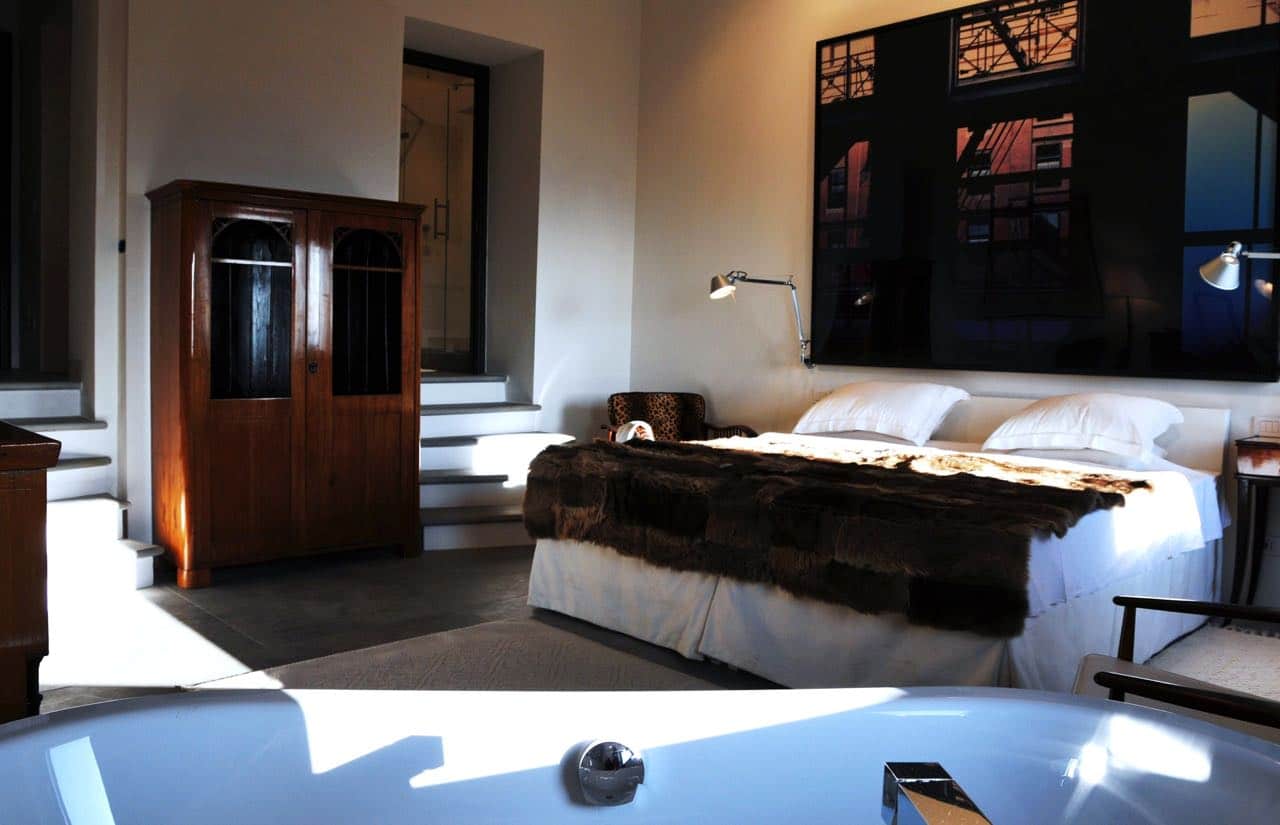
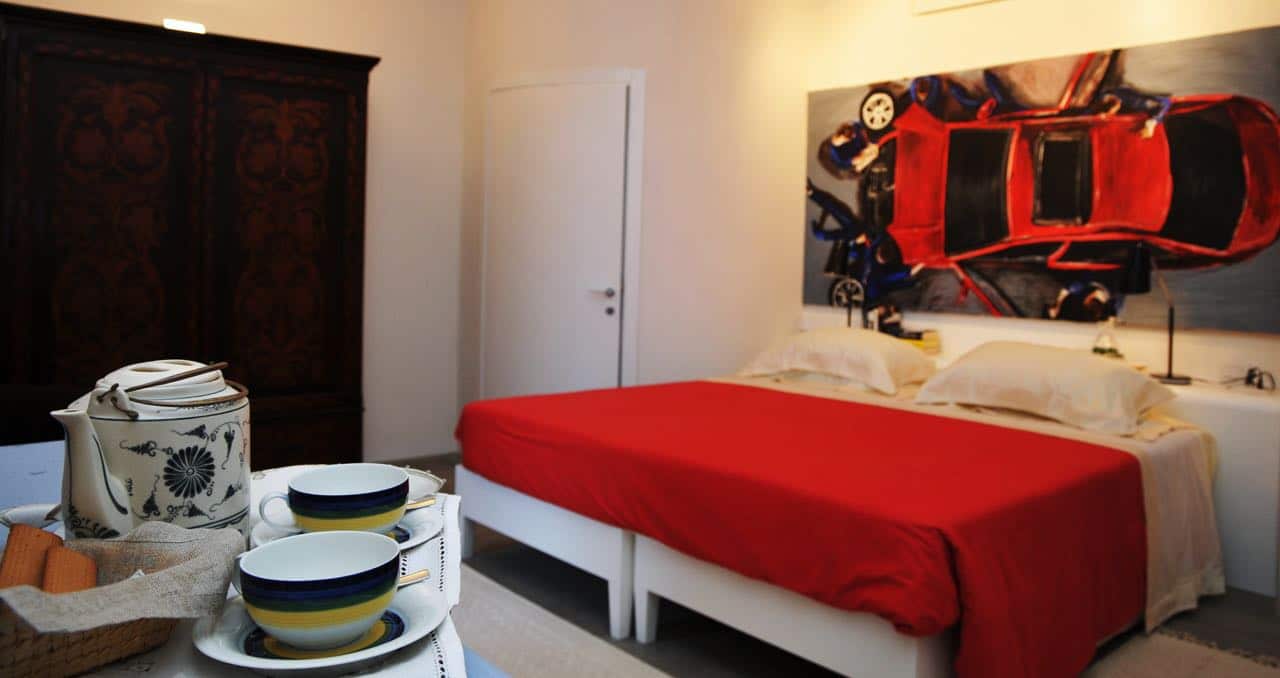
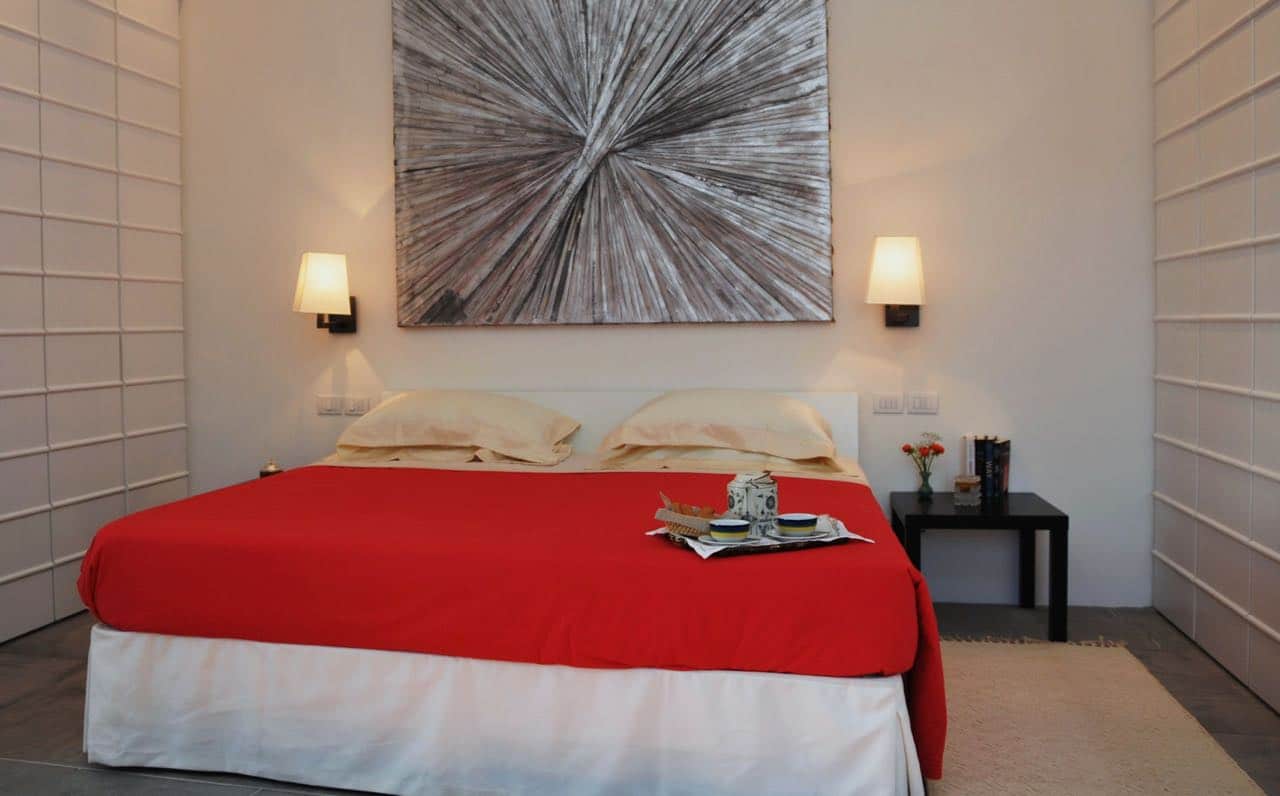
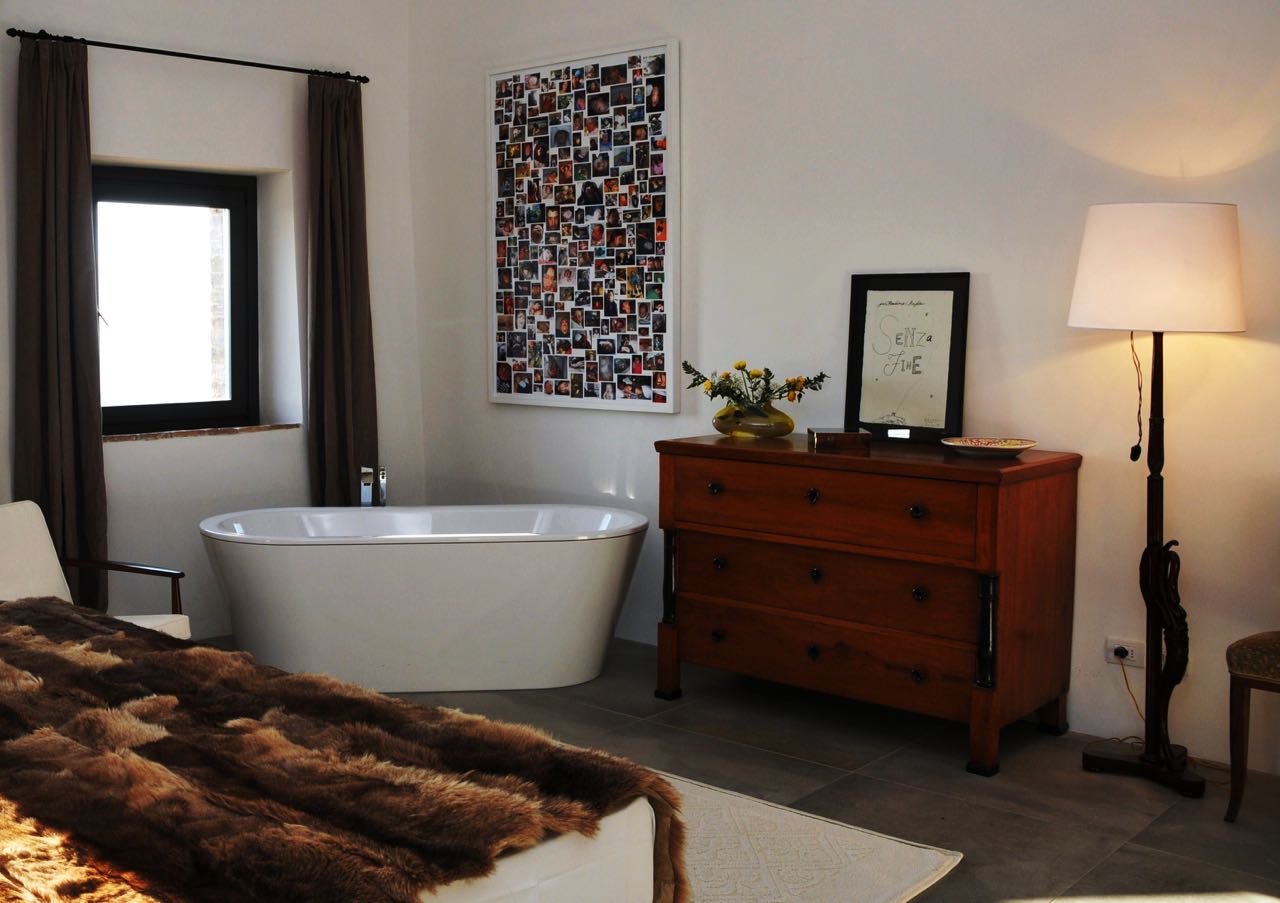
We are excited to present our newest Valdorcia luxury villa: Villa Sambuco, a 19th-century farmhouse stylishly turned in a luxurious private villa. Furnished with unique pieces of contemporary art from the owners private collection, this 6 air-conditioned bedrooms villa is the perfect venue to immerse yourself in the heart of the Tuscany.
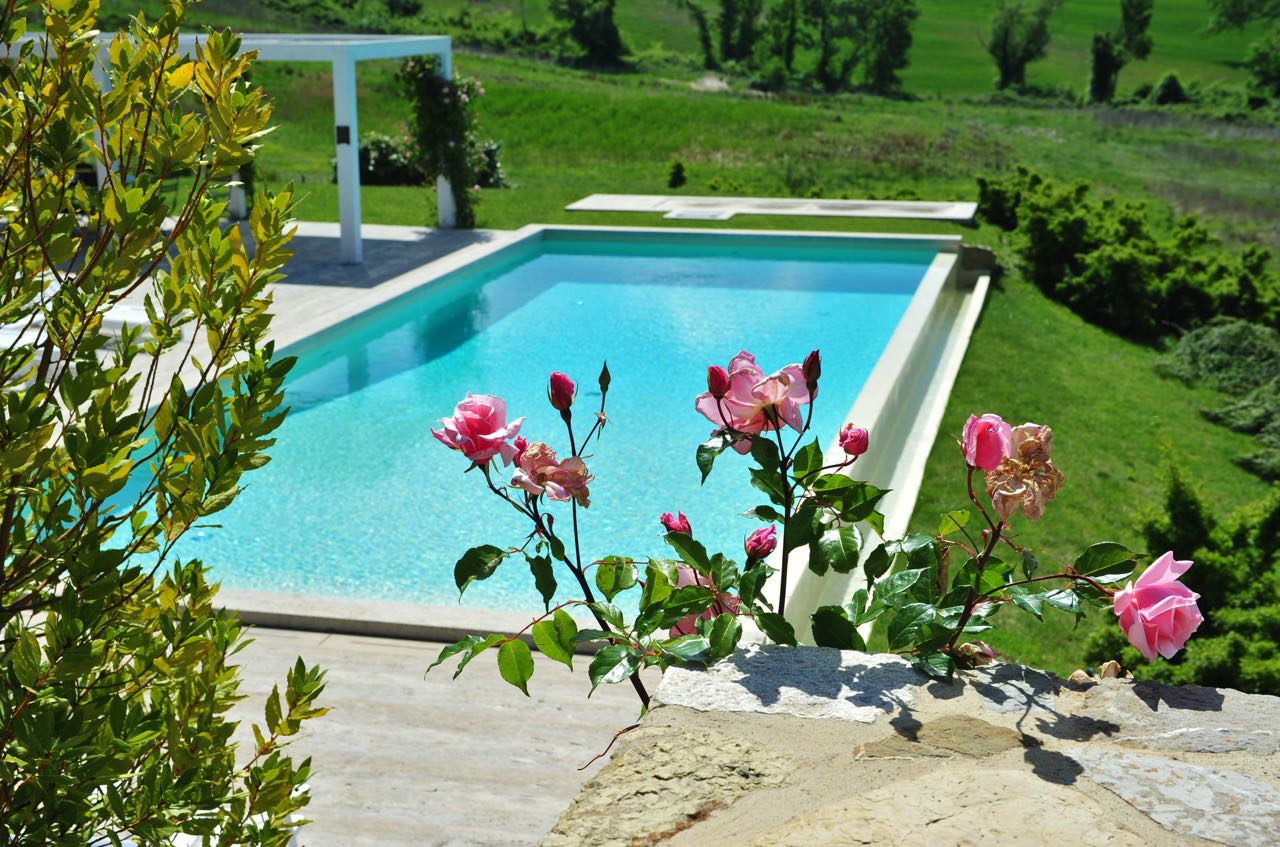
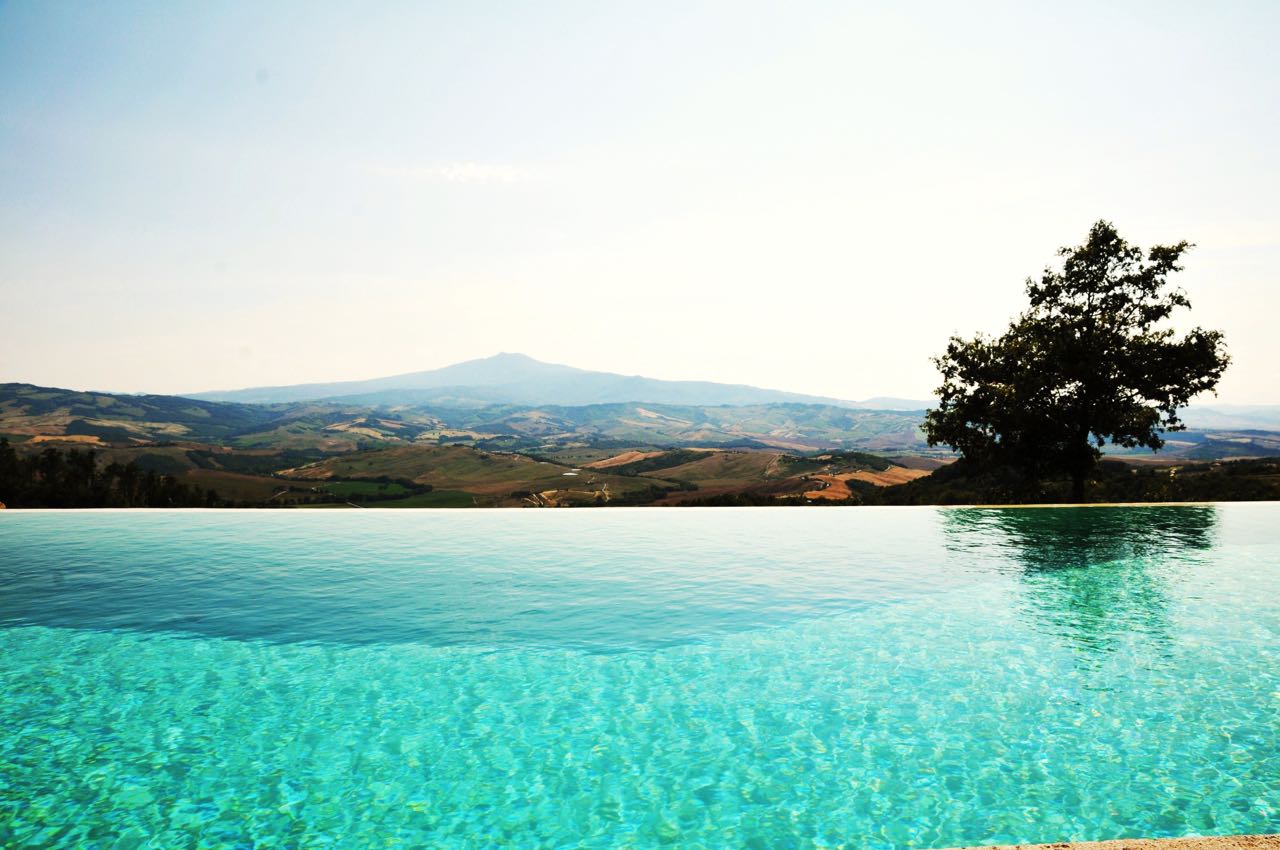
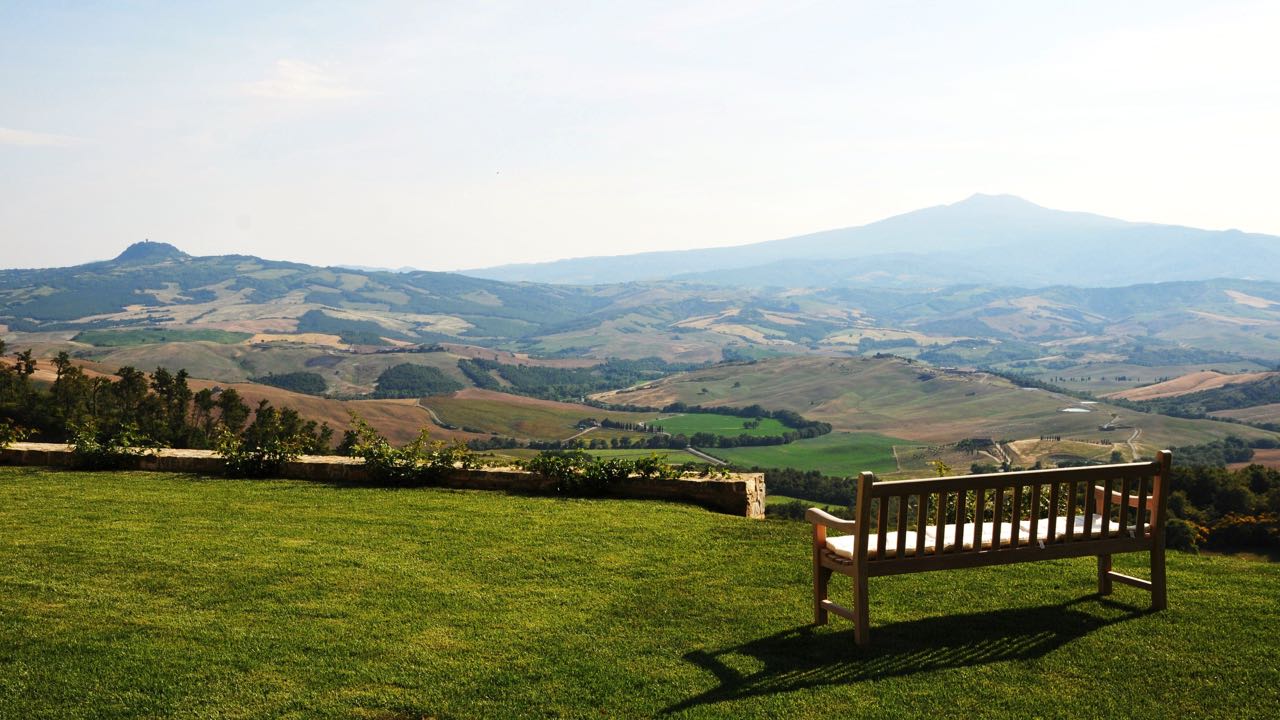
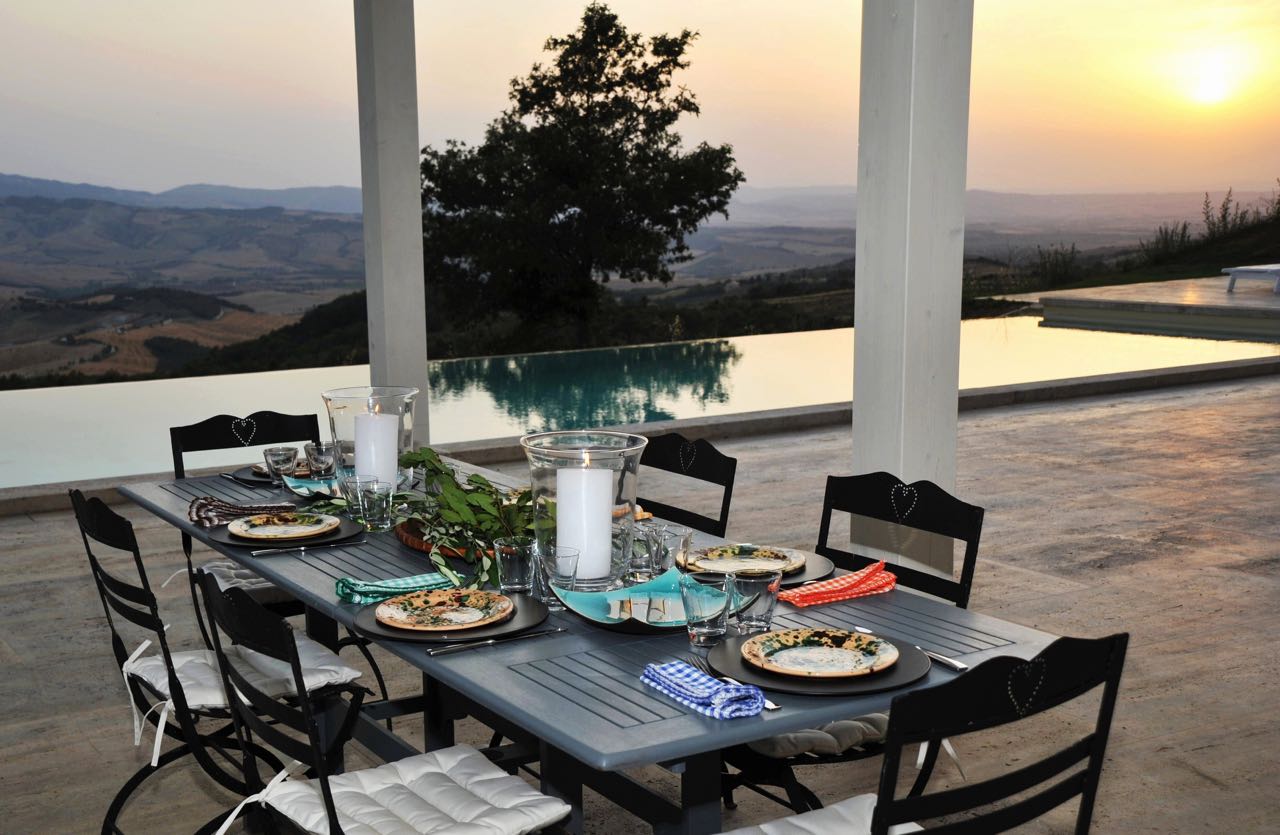
Private gym, solar-heated infinity pool edged by the breathtaking valley named as UNESCO World Heritage Site since 2004… we can’t think of a better escape than this exceptional villa for 2022 summer!
Imagine enjoying a glass of Brunello with a view over the magical landscape of the Val d’Orcia.
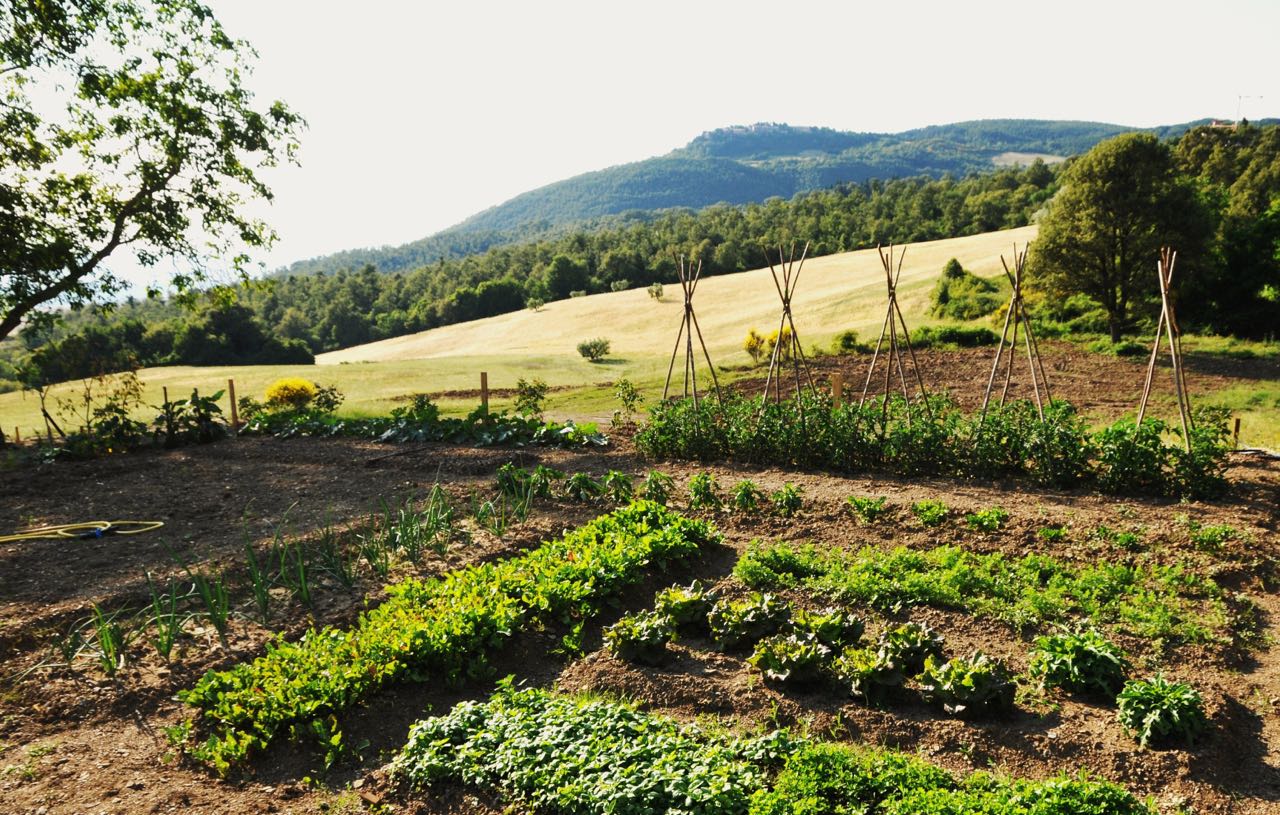
The Val D’Orcia, located in southern Tuscany, is an unspoilt area that extends from the hills south of Siena to the cone shaped Monte Amiata, once a volcano. Characterized by gentle, rolling and cultivated hills and fields in the midst of which you find the characteristic clay colored crete senesi, that create pale, strange and lunar landscapes. In 2004 The Val D’Orcia has been included in the Unesco World Heritage Sites of the World for its cultural and natural beauty.
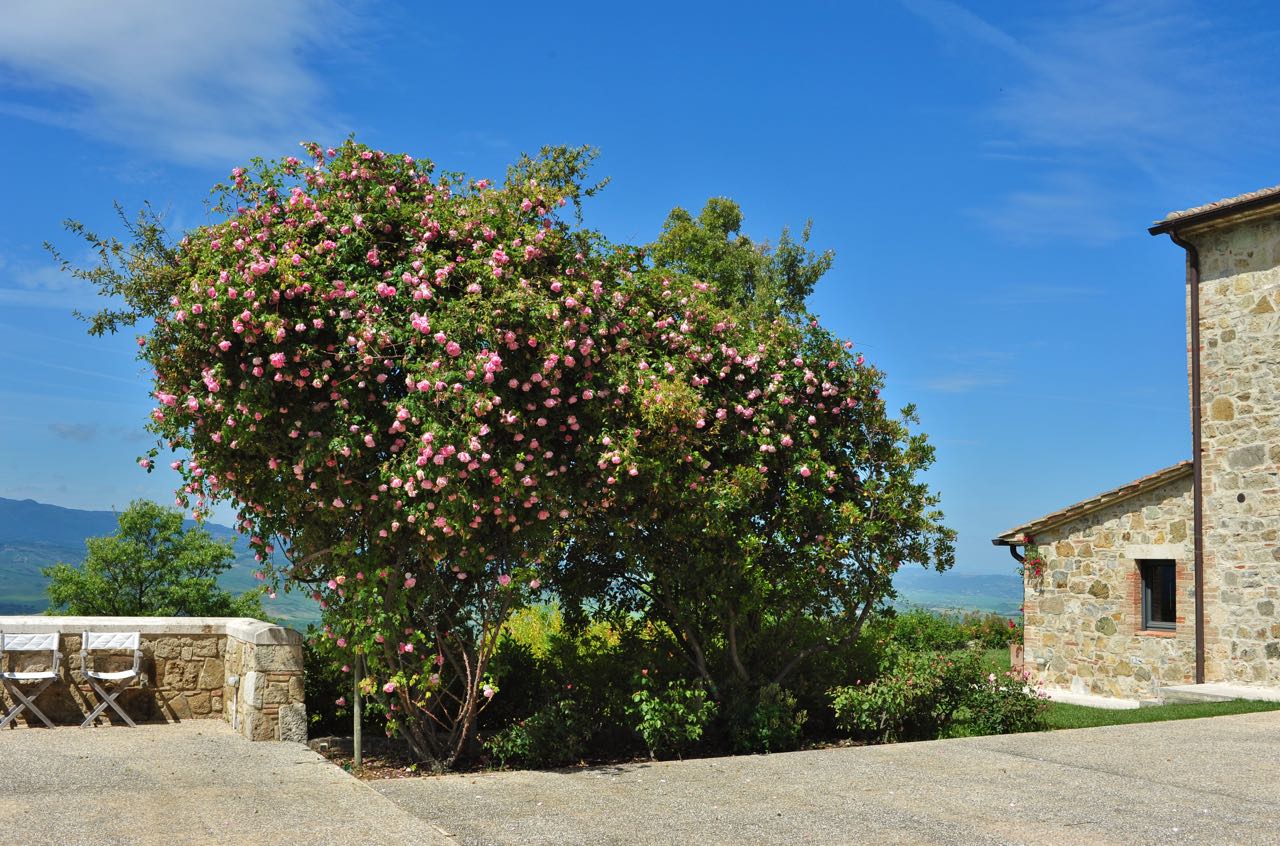
The landscape of the Val D’Orcia was created by the merchants of Siena during the 14th and 15th centuries. It was carefully planned and designed to be efficient, functional and beautiful. The fields according to the season offer a wide variety of colors that vary from different shades of green, yellow and brown dotted with brush and poppies and together with the vineyards make up what seems a grand wild garden. The tradition of planting roses to embellish vineyards started then as well as planting cypresses to mark routes, homes and hills. The result was strikingly beautiful, their dark color contrasting the pale landscape and their shape marking the territory.
The most striking example of a new town that was planned is Pienza named after its founder Pope Pius II who commissioned in 1459 Bernardo Rossellino to enlarge his village and create an ideal city with the cathedral and civic palaces surrounding a central piazza.
The strategic importance of the area, its connection with Siena, are all intertwined with the Via Francigena. Since late Medieval times, the route was used by pilgrims and merchants who traveled from Rome to the north and into France. The route helped the development of churches, monasteries such as the Collegiata of San Quirico and the Abbey of Sant’Antimo.
Imagine staying at Villa Sambuco, able to enjoy the landscape where people were shown living in harmony with nature, celebrated by painters from the Siennese School and have influenced the development of landscape thinking.